
Electronic waste, commonly referred to as “E-waste,” comprises discarded electronic devices that annually represent a significant source of toxic pollution. As our technology-driven society continues to evolve, there is an increasing demand for advanced electronic products, leading to a detrimental interdependence that contributes to rising pollution levels. E-waste contains hazardous heavy metals, including lead, mercury, cadmium, lithium, and nickel, which seep into our environment, releasing toxic fumes and contaminating ecosystems. Electronics are particularly concerning due to their propensity for widespread environmental dissemination. Unlike plastics, E-waste can infiltrate hundreds of thousands of liters of water and soil over a comparatively short time frame. For instance, lithium-ion batteries, as found in smartwatches, can contaminate up to 10,000 liters of water in just a three-month period. Such circumstances are undoubtedly alarming. Furthermore, technologically advanced nations such as the United States and various European countries rank as the foremost exporters of e-waste globally. Although this practice may appear acceptable as it ostensibly spares their own environments, developing nations in Asia and Africa bear the brunt of this issue as they seek to minimize costs and recover valuable metals for their livelihoods. This process often entails a reduction in safety measures, resulting in thousands of deaths related to chemical inhalation each year. As recyclers, our objective is to cease the export of e-waste to developing countries and actively participate in recycling the waste that we produce. Our vision encompasses the establishment of e-cycle stations across the United States, facilitating a seamless recycling experience for discarded electronics. Through these initiatives, we endeavor to contribute positively to global sustainability, “One computer at a time.”
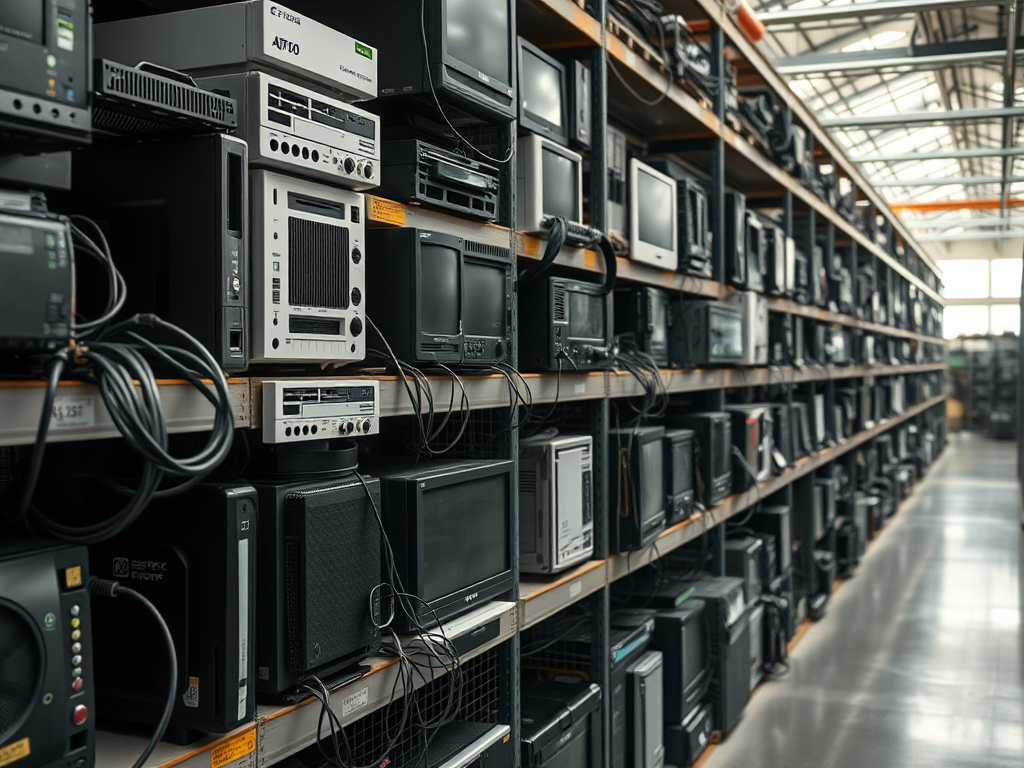
Reduce, Reuse, Recycle
The principles of Reduce, Reuse, and Recycle serve as a guiding framework for all recycling operations. However, electronics recyclers elevate this ethos by carrying out these principles in distinct and specialized manners. Unlike recyclers of plastics, glass, and paper, e-waste recyclers bear the unique responsibility of managing each of these categories independently.
Reduce: It is imperative to take all possible measures to ensure that electronic waste is diverted from landfills and transported to appropriate recycling facilities.
Reuse: It is essential to perform comprehensive due diligence to verify that electronic components have indeed reached the end of their life cycle and are no longer viable for repurposing in any form.
Recycle: It is crucial to acquire and recycle electronic waste in a profitable and secure manner, while complying with all applicable legal regulations, including those concerning chemical emissions and other relevant laws.
These regulations, although straightforward, present significant challenges for implementation. Consequently, “E-cyclers” globally often perceive the recycling of e-waste as not worth the effort. While this situation may appear daunting to many, those willing to accept the challenge are encouraged to assist in raising awareness among the broader community.
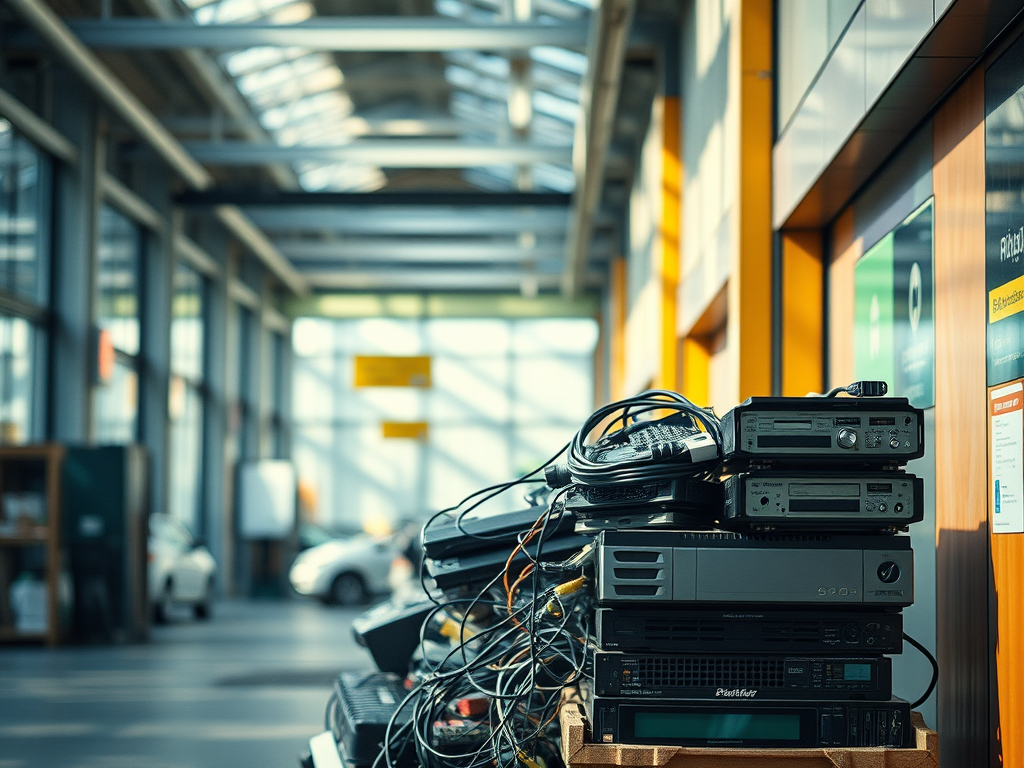
Recycling E-waste is Profitable
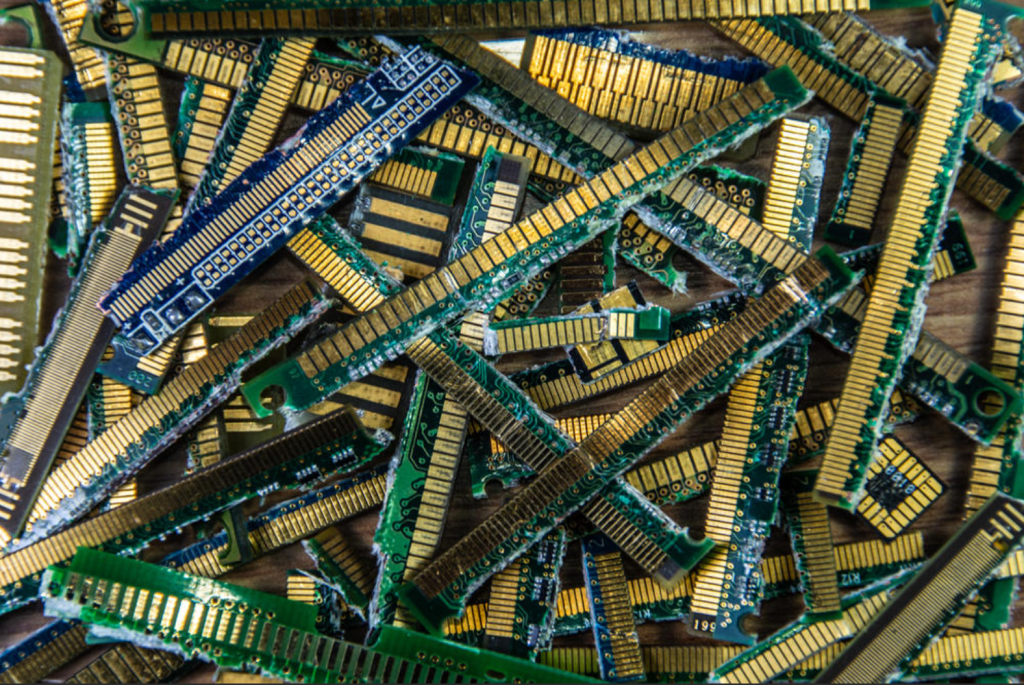
Although our efforts are aimed at promoting environmental health, they can also yield substantial profit when managed appropriately. Electronics, particularly older models, contain significant quantities of precious metals. Trace amounts of metals such as gold, silver, platinum, palladium, rhodium, indium, iridium, germanium, tantalum, ruthenium, and osmium are present in various forms of e-waste. The recovery of these metals is exceedingly challenging; however, it is feasible on a large scale. The rationale behind the use of these costly metals in everyday devices stems from the non-corrosive properties of precious metals—especially gold, silver, and rhodium—which provide a durable solution at contact points. Consequently, key electrical components in high-end equipment are often equipped with precious metal-plated contacts. Although these coatings are thin, their accumulation is significant. This enhances the effectiveness and profitability of recovering electronic ore, making it ten times more advantageous compared to extracting it directly from the earth. Additionally, from an environmental perspective, it is preferable to mine processed e-waste ore rather than sourcing precious metals from the earth’s deposits, due to the fact that recycling e-waste consumes minimal fossil fuels, whereas traditional mining operations are major contributors to fossil fuel depletion.

 Boardsave